What is Targeted Grazing?
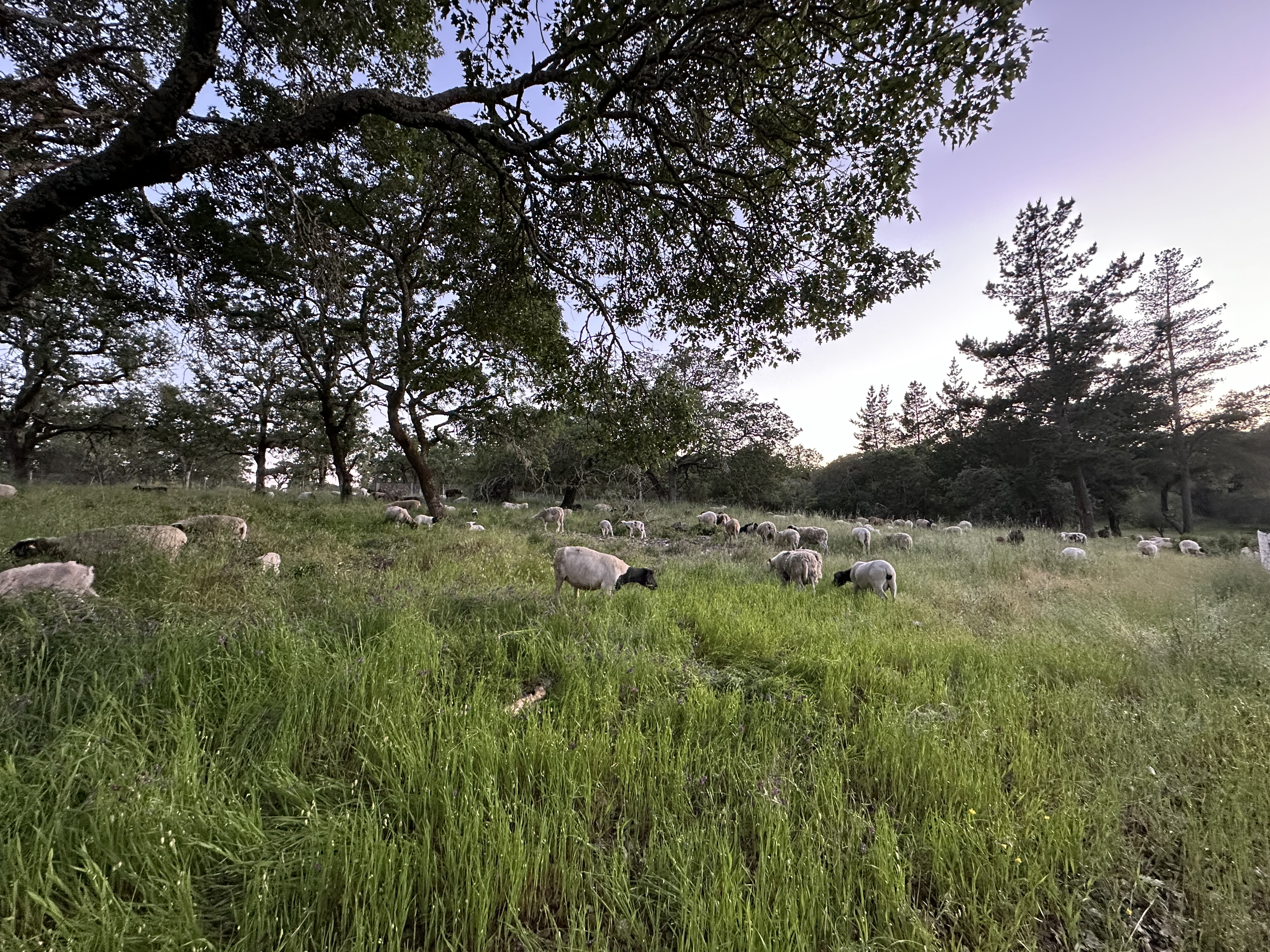
Targeted grazing is the process of optimizing timing, frequency, intensity, and selectivity of grazing in combinations that purposely manipulate rangeland vegetations to achieve a certain goal. Targeted grazers typically use portable electric netting to move animals from pen to pen mimicking a rotational grazing foundation.
Benefits of Targeted Grazing
- Fire fuel mitigation
- Vegetation management
- Even grazing pressure
- Reduced herbivore selectivity
- Improved pasture utilization
- Maintenance of pasture cover
- Higher perennial grass content
- Carbon sequestration
- Supports local agriculture
Wildfire Prevention
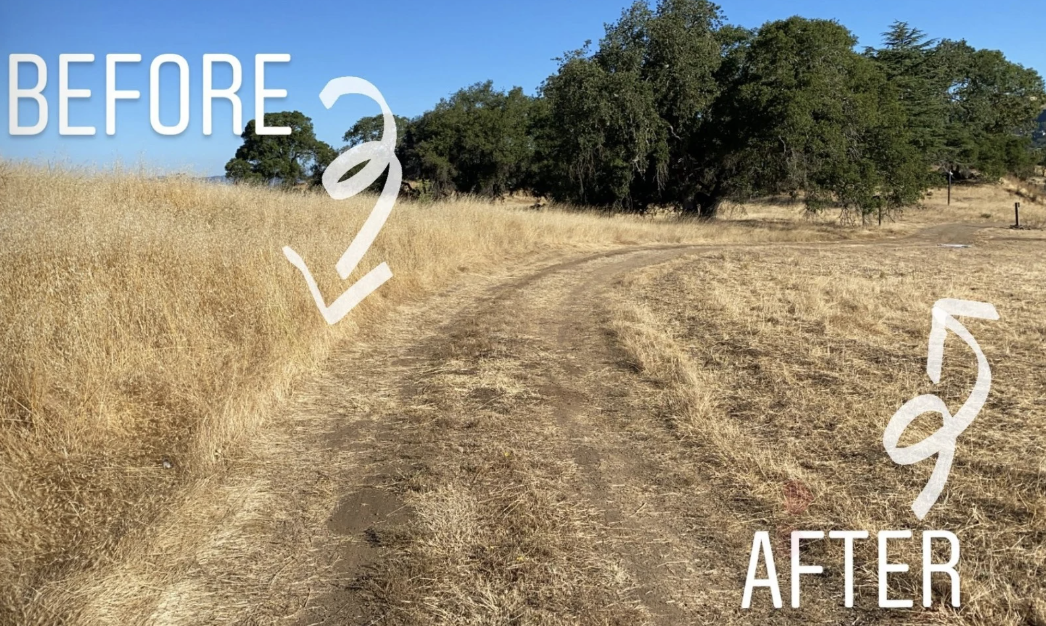
Grass and brush can create a sufficient amount of vegetation that contributes to wildfires, especially during dry seasons when the risk of fire is elevated. Grazing livestock is not only much more efficient but also more effective at reducing fire fuels when compared to traditional mechanical methods that are often employed. While mechanical techniques may only cut or kill vegetation, leaving behind significant fire fuels that can ignite during a wildfire, livestock have the unique ability to clear all vegetation thoroughly, removing potential fire hazards from the landscape. Additionally, as livestock graze, they naturally replenish the soil with nutrient-rich fertilizers. This process not only mitigates fire risk but also enriches the ecosystem, making grazing an essential practice for land management and fire prevention efforts in fire-prone areas.
 Chasin Goat Grazing of Northern California